
Why workplace wellness works
You'll find plenty of big promises about workplace wellness. We'd rather show you what the research actually says, including where it's mixed, and how we design around it.
The Irish picture
The people in your office, by the numbers
of adults in Ireland meet the guideline of 150 minutes of moderate activity a week, down from 46% in 2019.
Healthy Ireland Survey 2024of those not meeting the guideline say they'd like to be more active.
Healthy Ireland Survey 2024of work-related illness in Ireland was musculoskeletal (bones, joints and muscles), the single largest category.
ESRI, Research Series 53 (CSO data 2002–2013)and more working days were lost to work-related illness in Ireland in 2013 alone.
ESRI, Research Series 53What the research says
Programmes work when people actually take part
Reviews of workplace physical activity programmes find the best results where participation is high and sessions are regular and properly coached. Where a programme is just made available and left alone, results are weak.
A systematic review of physical-activity-based corporate health programmes reported an average return of 3.6 times the investment, with the authors noting the studies vary a lot. Reviews focused on sick leave alone are less conclusive. The clearest gains tend to show up in presenteeism: people at work feeling and working better.
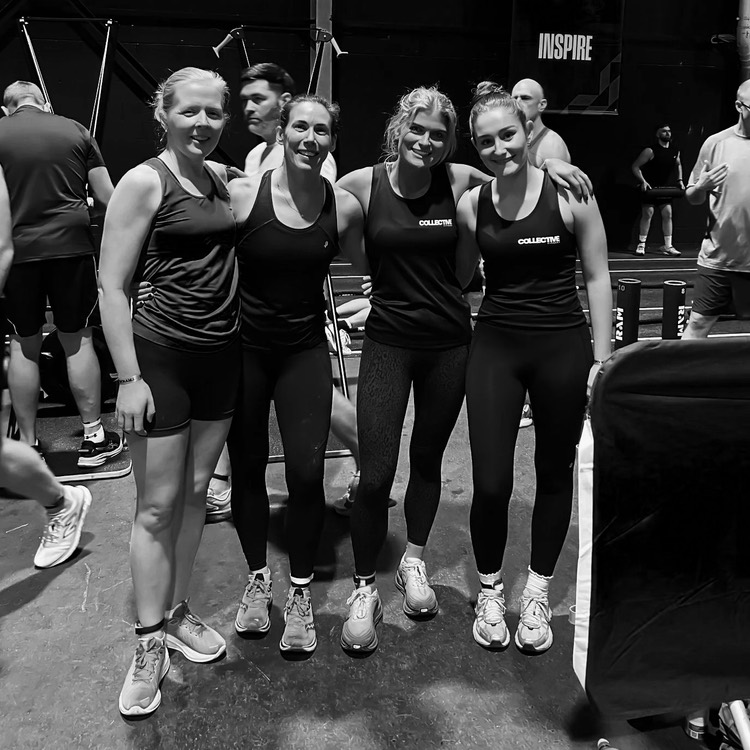
So we design for participation
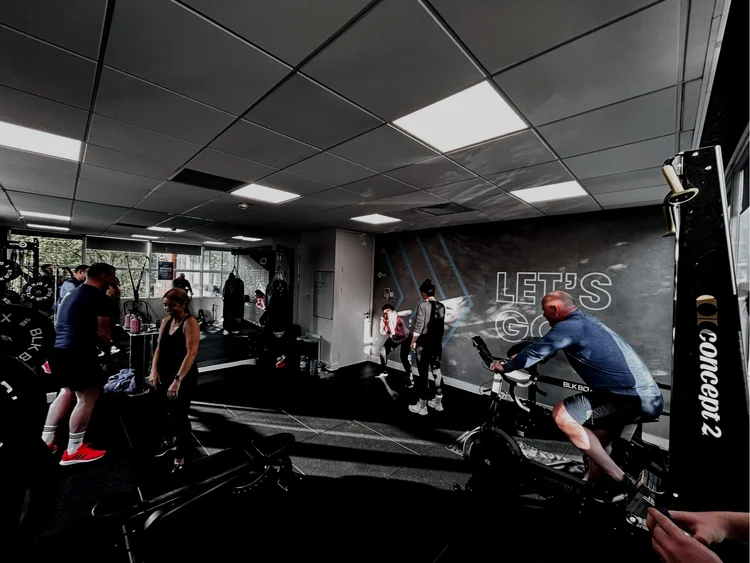
- Coaches On The Floor, Not Just Equipment In A Room
- Scheduled, Recurring Sessions People Build Their Week Around
- Group Training, Because People Turn Up For Each Other
- Early Clinical Care, So Injuries Don't End Someone's Routine
- Measurement Every Month, So We Change What Isn't Working
The office question
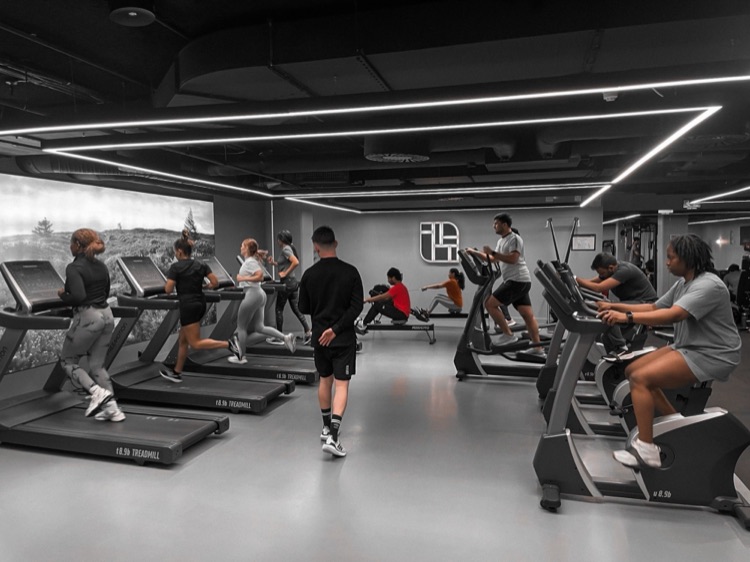
Health is a reason to come in.
Surveys of office workers consistently rank wellbeing facilities, including gyms and fitness classes, among the amenities that make the commute worthwhile. Real-estate research also finds gyms are among the upgrades that most improve how people rate their building.
An office with a busy gym, regular classes and a clinic on site gives people something they can't get at their kitchen table, and gives teams a shared routine that has nothing to do with work.
Sources
Where these figures come from
- Department of Health, Healthy Ireland Survey 2024. Fieldwork by Ipsos B&A, around 7,400 people aged 15+.
- ESRI, Work-related Musculoskeletal Disorders and Stress, Anxiety and Depression in Ireland (Research Series 53), analysing CSO data 2002–2013.
- HSA, Guide on the Prevention and Management of Musculoskeletal Disorders.
- Bonatesta L. et al., Short-term economic evaluation of physical activity-based corporate health programs: a systematic review, Journal of Occupational Health, 2024.
- Systematic review of onsite workplace physical activity programmes and sick leave, Occupational and Environmental Medicine 72(6):401, 2015.
- Systematic review of the economic evidence for workplace physical activity in Europe, International Journal of Workplace Health Management, 2021.
- JLL, Workplace wellbeing still missing the mark.
Work with us
Put it to work in your office
We'll show you how we'd measure success for your company before you sign anything.